Facebook
 X
 Pinterest
 Copy Link
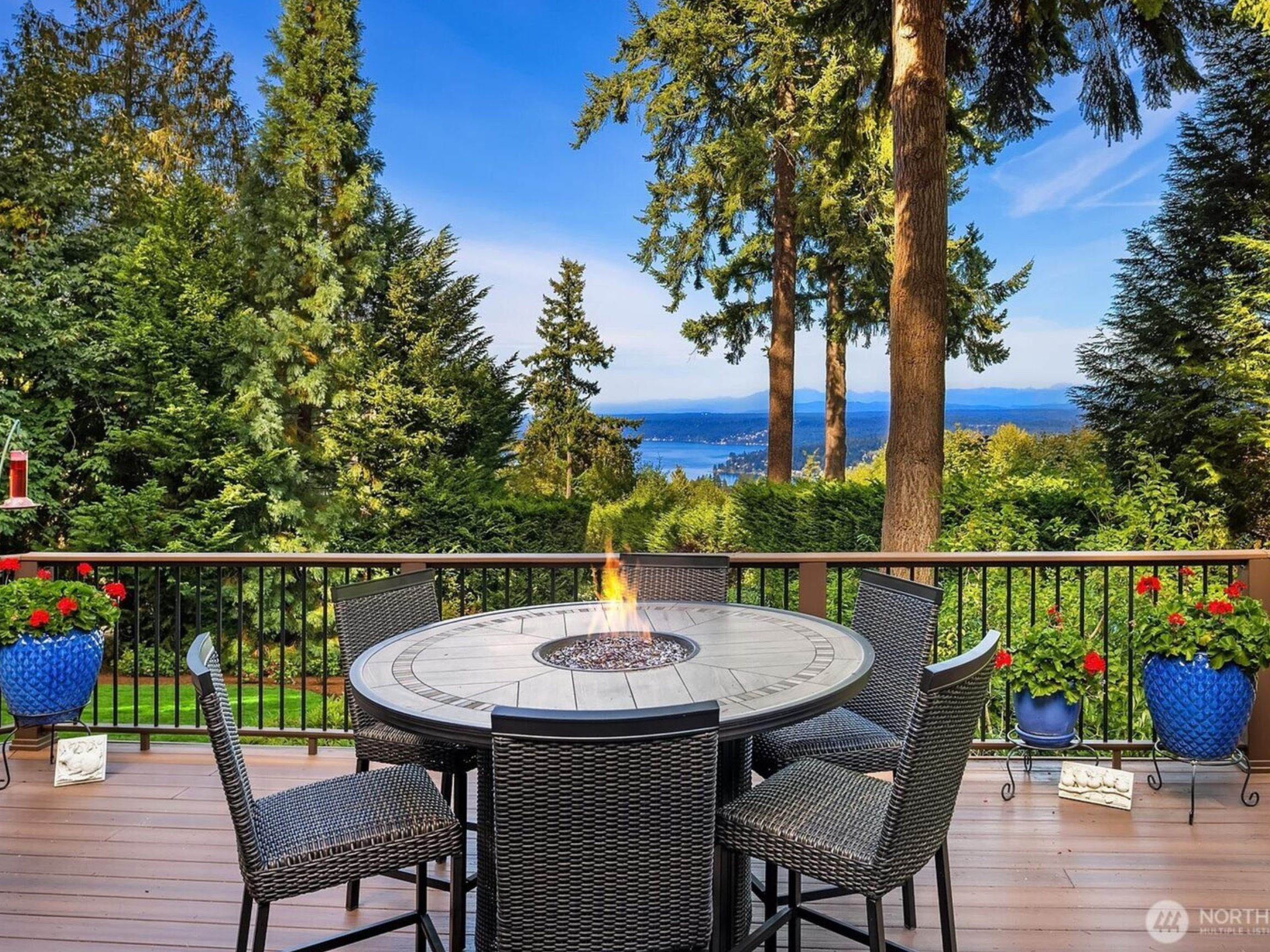
A waterfront home in Newport Shores doesn’t compete the same way as a new build in West Bellevue. A Somerset view property has a different buyer pool than a Downtown condo. Even two homes a few streets apart can require very different pricing.
That’s why I start by identifying the homes a buyer is actually likely to compare with yours. From there, we can make better decisions about pricing, preparation, timing, and marketing.
Start With the Home’s Real Competitive Market
Citywide Bellevue real estate statistics provide useful context, but they rarely tell us enough to price a luxury home. Bellevue includes everything from Downtown condos and West Bellevue homes to Somerset view properties, Bridle Trails estates, and Newport Shores waterfront. Each competes in a different market.
The first pricing question I want to answer is simple: If a serious buyer doesn’t buy this house, what else are they likely to buy?
Those properties, not the citywide average, are the starting point for pricing.
Downtown Bellevue Condominiums
For a luxury condo, I’d start with recent sales in the same building, then look at the closest competing buildings. Floor level, orientation, views, floor plan, outdoor space, parking, storage, amenities, association finances, and upcoming assessments can all affect value, making a broad Downtown price-per-square-foot figure less useful.
Somerset and Woodridge View Homes
For a view home, I’d look at where the view is visible, its direction and width, tree cover, seasonal changes, and whether it’s central to the main living spaces. Slope, access, drainage, retaining systems, and renovation quality also factor into the comparison.
Bridle Trails
In Bridle Trails, acreage alone doesn’t determine value. Usable land, tree cover, topography, drainage, easements, access, equestrian features, and development constraints all affect how a property compares.
Waterfront and Newport Shores
Waterfront type matters. Direct Lake Washington frontage, Newport Shores canal frontage, shared waterfront, and water access aren’t interchangeable. Dock rights, water depth, shoreline condition, privacy, and permit history can all affect value.
Custom and Newer Construction
New construction doesn’t automatically command a premium. Builder quality, architecture, materials, floor plan, workmanship, and the site all matter, along with how many comparable new homes buyers have to choose from.
How I’d Build a Bellevue Luxury Home Pricing Strategy
The best comps are the properties that most closely match the home in location, property type, construction quality, condition, site, and features like views or waterfront. With luxury homes, there aren’t always enough recent sales that check every box, so I may need to look farther back or expand the geographic area while accounting for those differences.
Price per square foot is useful context, but it’s only one piece of the analysis. It doesn’t account well for land value, views, waterfront, architecture, renovation quality, outdoor improvements, or the difference between an average lot and a great one.
How Comps Help Price a Bellevue Luxury Home
I look at more than closed sales when I’m pricing a home. Pending properties help show where buyers are active now, while current listings tell us what the home will compete against on launch day. Expired, canceled, and withdrawn listings can be useful too because they may show where buyers pushed back on price, condition, presentation, or timing.
That’s also why market value, recommended list price, and launch strategy aren’t always the same thing.
Complete a Pre-Listing Property Review
Before deciding what to fix, I like to start with a broader review of the property. I’m looking at the house and site, deferred maintenance, visible defects, dated finishes, permit questions, and anything that may need a closer look before buyers begin their own due diligence.
I’d also review permit history and nearby development activity and start gathering plans, surveys, warranties, renovation records, service histories, and information about major systems. The goal at this stage isn’t to create a repair list. It’s to understand the property well enough to decide what actually needs attention.
Should You Get a Pre-Listing Inspection?
A pre-listing inspection can be useful, but I wouldn’t recommend one automatically. If there’s something we need to understand better, an inspection can give the seller time to get estimates, make a repair, or have the right documentation ready before buyers begin their own due diligence.
What makes sense depends on the property. An older home might warrant a sewer scope or roof evaluation, while a waterfront, hillside, or heavily wooded property could call for a more specialized review. Inspections can also uncover larger issues and create disclosure considerations, so I’d make that decision with the appropriate real estate, legal, and technical professionals involved.
Prioritize Repairs and Improvements
Once we understand the property, we can decide where it makes sense to spend money. I’d start with issues that could affect safety, financing, insurance, buyer confidence, or the transaction itself. From there, I’d address deferred maintenance and visible defects before deciding how much cosmetic work is worthwhile.
That doesn’t mean every luxury home needs a new kitchen or bathrooms. Sometimes paint, lighting, landscaping, minor repairs, cleaning, and staging are the better investment. A dated home competing against recently renovated properties may need more. The right scope depends on the house, its competition, price range, and the seller’s timeline.
That’s also where our Art of Ready process comes in. We help determine what’s worth doing and then coordinate the vendors, repairs, staging, and other logistics needed to get the work done.
Prepare the Home for Photography and Showings
Once the work is done, the focus shifts to how the property will be experienced in person and online. The preparation should make its strongest features easier to see without trying to make the home into something it isn’t.
For a view home, that might mean paying attention to windows, lighting, furniture placement, vegetation, and sightlines. For waterfront, I’d look at the transition from the house to the water, along with the dock, shoreline, outdoor spaces, and boating features. A Downtown condo may call for more attention to scale, storage, floor plan, views, parking, and building amenities.
Photography, floor plans, video, and the listing copy should then reinforce those strengths. Specific details about the architecture, materials, improvements, systems, views, and setting usually do more work than luxury adjectives.
What Documents Do You Need Before Selling a Home?
I like to get the paperwork organized before the home goes on the market. Permits, plans, surveys, warranties, service records, and documentation for major renovations can answer questions before they become issues during a transaction.
Washington sellers also have disclosure requirements, including a seller disclosure statement in many residential sales. If there’s a question about what needs to be disclosed or how a particular issue should be handled, I’d bring in the appropriate legal professional rather than guess.
What Bellevue Condo Sellers Should Prepare Before Listing
For a Bellevue condo, I’d request the resale certificate early. It includes important information about the unit and association, and Washington law generally gives the association 10 days to provide it after a qualifying request. Buyers also have certain review and cancellation rights tied to when they receive it, so there’s no reason to leave this until you’re under contract.
I’d also have parking and storage details, move procedures, alteration records, rental and pet rules, and information about upcoming building projects ready for buyers.
For waterfront properties, the paperwork is different. Dock permits, shoreline records, surveys, moorage agreements, bulkhead information, and maintenance records should be organized before listing.
When Is the Best Time to Sell a Luxury Home in Bellevue?
I wouldn’t wait for spring just because it’s spring. The best time to list depends on the property, the competition, and how ready the home is.
A waterfront home or a property with extensive landscaping may benefit from a certain time of year, while a Downtown condo may be more affected by competing units or projects in the building. I’d look at those factors along with recent market activity and the seller’s own timeline.
More than anything, I’d rather launch a home when it’s ready than rush to hit a date on the calendar. Unfinished repairs, missing documents, rushed photography, or unresolved pricing can cost more than waiting another week or two.
How to Market a Luxury Home in Bellevue
The marketing plan should reflect the property and the buyers most likely to consider it. That may include professional photography and video, floor plans, MLS and online exposure, social media, broker outreach, private showings, and open houses.
For a specialized luxury property with a smaller buyer pool, direct broker relationships can be particularly useful. My REALM Global membership also gives me access to a broader network of luxury real estate professionals when that additional exposure makes sense.
The goal is to make sure the right buyers see the property and have what they need to understand what sets it apart.
Pay Close Attention to the First Weeks on Market
Once the home is live, I’m paying attention to the response, not just the number of offers. Showings, repeat visits, buyer and broker questions, online activity, and feedback can tell us a lot about how buyers are responding to the property.
If activity is slower than expected, price is one possibility, but it’s not the only one. Condition, presentation, access, missing information, or a smaller buyer pool can all play a role. I like to agree with the seller before we launch on what we’ll watch and when the feedback is strong enough to make an adjustment.
Compare Offers on More Than Price
The highest offer isn’t always the best offer. I’m also looking at financing, contingencies, earnest money, appraisal and inspection terms, closing date, possession, and anything else that affects the strength and certainty of the offer.
Timing can matter just as much, especially if the seller is buying another home. The right closing date or possession terms may solve an important piece of that move. I want to understand the whole offer, not just the number at the top.
How Much Does It Cost to Sell a Home in Bellevue?
Before listing, I like sellers to have a clear estimate of what they’ll walk away with after the sale. A property-specific net sheet should account for REET, brokerage compensation, title and escrow, loan payoff, preparation and staging, association fees, concessions, and other costs specific to the property.
Washington’s real estate excise tax is graduated, so the rate changes at different portions of the sale price, and local REET also applies. Rather than using a rough percentage, I’d calculate it based on the expected sale price so the seller has a more accurate picture of their net proceeds.
How to Choose a Bellevue Luxury Listing Agent
If you’re interviewing a Bellevue listing agent, ask them to explain how they arrived at their pricing and preparation recommendations. Which homes are the best comps, what would they spend money on before listing, and what would they skip?
I’d also want to understand the launch and marketing plan, how offers will be evaluated, and what the estimated net proceeds look like. One question I especially like: Where do you expect buyers to push back on this property?
A good listing plan should account for those challenges from the start.
How Long Does It Take to Prepare a Bellevue Home for Sale?
For a property that needs meaningful preparation, I’d start eight to twelve weeks before listing. That gives us time to work through pricing, inspections, repairs, documents, staging, and marketing without rushing the process.
The final couple of weeks are for the finishing touches: cleaning, photography, marketing materials, final pricing, and launch logistics. Once the home is live, the focus shifts to buyer activity, offers, and managing the transaction through closing.
Frequently Asked Questions About Selling a Luxury Home in Bellevue
How do you price a luxury home in Bellevue?
Pricing a luxury home in Bellevue starts with the properties a serious buyer would consider as alternatives. I then compare location, property type, lot, construction quality, condition, renovations, views or waterfront, and current competition.
What makes selling a luxury home different?
Luxury homes typically have fewer close comparable sales and greater differences from one property to the next. Custom construction, larger lots, waterfront, views, specialized systems, and extensive improvements can also make pricing and buyer due diligence more involved.
How long should I prepare before listing?
For a Bellevue luxury home that needs meaningful preparation, I’d generally start eight to twelve weeks before listing. A home needing only cleaning, minor repairs, and staging may take less time, while larger repairs, permits, or specialized documentation can take longer.
Should I renovate before selling?
Not necessarily. I’d renovate only when the likely market benefit justifies the cost, time, and disruption. In many cases, targeted repairs, paint, lighting, landscaping, cleaning, and staging are a better use of the preparation budget.
Should I get a pre-listing inspection?
A pre-listing inspection can help identify issues early enough to make repairs, get estimates, or prepare documentation before buyers begin their due diligence. Whether I’d recommend one depends on the home’s age, condition, complexity, timeline, and potential disclosure considerations.
Does staging help sell a Bellevue luxury home?
Staging can help a Bellevue luxury home show better by improving scale, circulation, photography, and the presentation of important rooms. The approach should fit the architecture and existing furnishings rather than applying the same staging formula to every property.
What is the best time to sell a luxury home in Bellevue?
There isn’t one best month to sell every Bellevue luxury home. I’d consider the property’s readiness, competing inventory, recent market activity, landscaping, natural light, weather-sensitive features, and the seller’s timeline before choosing a launch date.
How long does it take to sell a luxury home in Bellevue?
The time it takes to sell a Bellevue luxury home varies by price, neighborhood, property type, condition, competition, and pricing. Luxury homes can also have a smaller buyer pool, so citywide days-on-market figures may not predict how long a particular property will take to sell.
How much does it cost to sell a home in Bellevue?
Selling costs can include real estate excise tax, brokerage compensation, title and escrow fees, loan payoff, preparation and staging, association fees, and negotiated concessions. I prepare a property-specific net sheet so sellers can see their estimated proceeds before listing.
What documents should I prepare before listing?
Before listing, I’d gather permits, plans, surveys, warranties, renovation and repair records, title information, seller disclosures, and association documents when applicable. Waterfront, hillside, estate, and other specialized properties may require additional records.
What happens if a luxury home doesn’t appraise?
If a luxury home appraises below the purchase price, the next step depends on the contract, financing, appraisal terms, buyer resources, comparable sales, and whether the parties renegotiate. That’s one reason I build and document the pricing analysis carefully before listing.
Every Bellevue luxury home has its own competition, preparation needs, and pricing considerations. Getting those pieces right before the home hits the market can make the entire process smoother.
If you’re considering selling, get in touch. We can walk through the property, look at the relevant competition, and talk through what’s worth doing before you bring it to market.