Mid-Century Modern Homes: Why They're Worth It — and What to Watch Out For
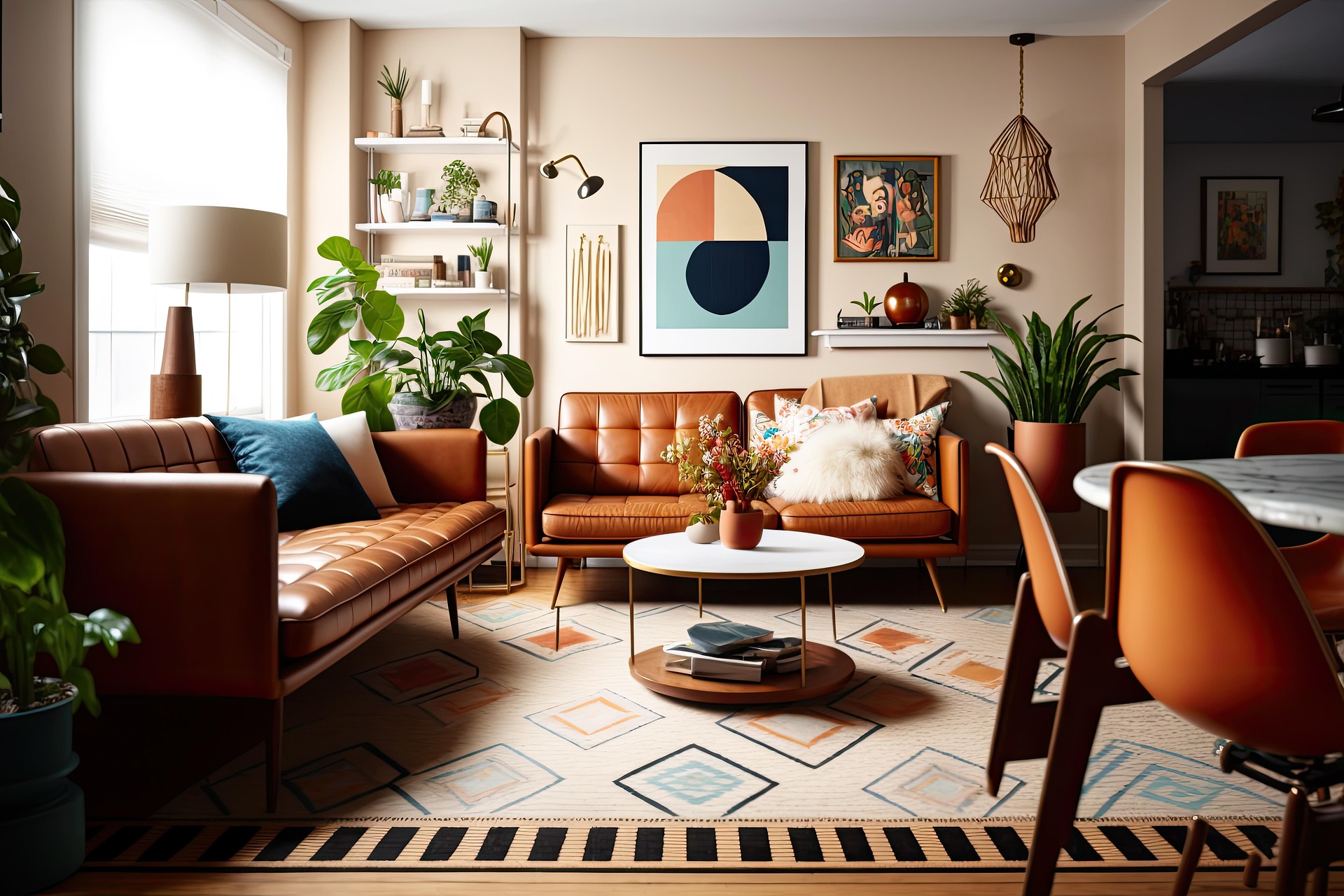
If Seattle Craftsmans are my first love, mid-century modern homes are a very close second.
And I want to be clear: this is personal preference, not resale advice. Plenty of styles sell well. But there is something about a well-executed MCM — good bones, original details intact, thoughtfully updated — that is just stunning.
What Makes Mid-Century Modern Special
Mid-century moderns (MCM, mid-mod — whatever you want to call them) were built roughly from the 1940s through the 1970s, and they share a few defining characteristics: clean horizontal lines, large windows bringing the outside in, open floor plans, flat or low-pitched rooflines, and a strong connection between indoor and outdoor living.
In the Pacific Northwest, the style fits particularly well. Floor-to-ceiling windows that frame views of trees, mountains, or water? That's what this region was made for. Exposed beams, natural wood ceilings, stone fireplaces — these details age beautifully when they're preserved.
The Problem: Bad Renovations
Here's what separates a great MCM buy from a nightmare: what's been done to it.
We've walked through architecturally significant mid-century homes that have been destroyed by the wrong renovations. Wrong finishes, wrong fixtures, walls removed that should have stayed, character features replaced with generic builder-grade materials. Once that's done, it's very hard — and expensive — to undo.
A good mid-century remodel is a work of art. The right kitchen update that respects the original palette, restored or replicated ceiling details, updated windows that keep the sightlines without changing the feel. When it's done right, these homes are genuinely breathtaking.
What to Ask When Buying One
When we work with buyers looking at MCM homes on the Eastside or in Seattle, we're looking closely at what's original, what's been changed, and what it would cost to restore or improve. We're also looking at the bones — the structural condition, the systems, the site orientation (crucial for passive solar, which many of these were designed around).
If you've been scrolling Zillow and a mid-century keeps pulling you in, trust that instinct. They're special homes. Just make sure you have someone helping you evaluate what you're actually buying.
Watch the original video: youtube.com/shorts/A4wFE2xttUA
Office: 425.455.5300
Direct: 425.890.3318
Email: davidhogan@windermere.com
Windermere Real Estate Bellevue
700 112th Ave NE #100, Bellevue, WA 98004